
When you think about armor, you probably imagine metal shields, helmets, and swords. Ancient Egyptians had a different idea. While warriors used physical protection during battles, many Egyptians believed jewelry offered another kind of defense. To them, jewelry was not only beautiful. It was also powerful.
In ancient Egypt, jewelry played a major role in daily life. People wore necklaces, bracelets, rings, and amulets for more than fashion. They believed these pieces could protect them from danger, bad luck, illness, and evil spirits. In many ways, jewelry acted like invisible armor.
If you lived in ancient Egypt, you would likely wear protective jewelry every day. It was considered an important part of personal safety and spiritual well-being.
Jewelry Was More Than Decoration
Ancient Egyptians loved jewelry. Men, women, and even children wore decorative pieces. Wealthy citizens often owned elaborate collections made from gold and precious gemstones. However, the true value of jewelry often came from its meaning rather than its appearance.
Many pieces featured symbols believed to carry protective powers. These symbols were carefully chosen to guard the wearer against harm. Jewelry served as a constant reminder that divine protection was always nearby.
You can think of Egyptian jewelry as a combination of fashion, faith, and personal security. It allowed people to carry their beliefs wherever they went.
The materials used in jewelry also held special significance. Gold was associated with the gods and eternity. Lapis lazuli symbolized the heavens. Turquoise represented joy and protection. Every detail mattered.
Protective Amulets: The Ancient Egyptian Shield
One of the most common forms of protective jewelry was the amulet. These small charms were worn around the neck, attached to clothing, or placed within bandages during mummification.
Ancient Egyptians believed amulets provided magical protection. Each design served a specific purpose. Some offered health and strength. Others guarded against evil forces.
The Eye of Horus was among the most popular protective symbols. It represented healing, protection, and restoration. Many people wore this symbol throughout their lives.
Another famous symbol was the Ankh. This design represented life and eternal existence. Egyptians believed it brought blessings and protection.
The Scarab Beetle was also widely used. It symbolized rebirth, transformation, and good fortune. Many scarab amulets were worn as protective charms.
If you visited an Egyptian marketplace, you would likely find countless amulets available for different needs and situations.
Jewelry and Divine Protection
Religion influenced nearly every aspect of Egyptian life. As a result, jewelry often reflected a close connection with the gods.
Many Egyptians believed deities watched over humanity. Wearing sacred symbols helped strengthen this relationship. Jewelry became a way to invite divine protection into everyday life.
You might wear a necklace dedicated to a specific god or goddess. This served as a constant source of comfort and reassurance.
Some pieces contained inscriptions or prayers. Others featured images of sacred animals connected to powerful deities. These designs transformed ordinary jewelry into spiritual armor.
The belief in magical protection extended across all social classes. Wealthier people wore gold and gemstones. Others used less expensive materials. The protective purpose remained the same.
Jewelry in the Afterlife
Ancient Egyptians believed life continued after death. Because of this belief, jewelry remained important even after a person passed away.
During burial preparations, jewelry was placed with the deceased. Protective amulets were carefully arranged among the mummy wrappings. Egyptians believed these items would defend the soul during its journey.
Many tombs contained large collections of jewelry. These treasures were intended to provide comfort, status, and protection in the afterlife.
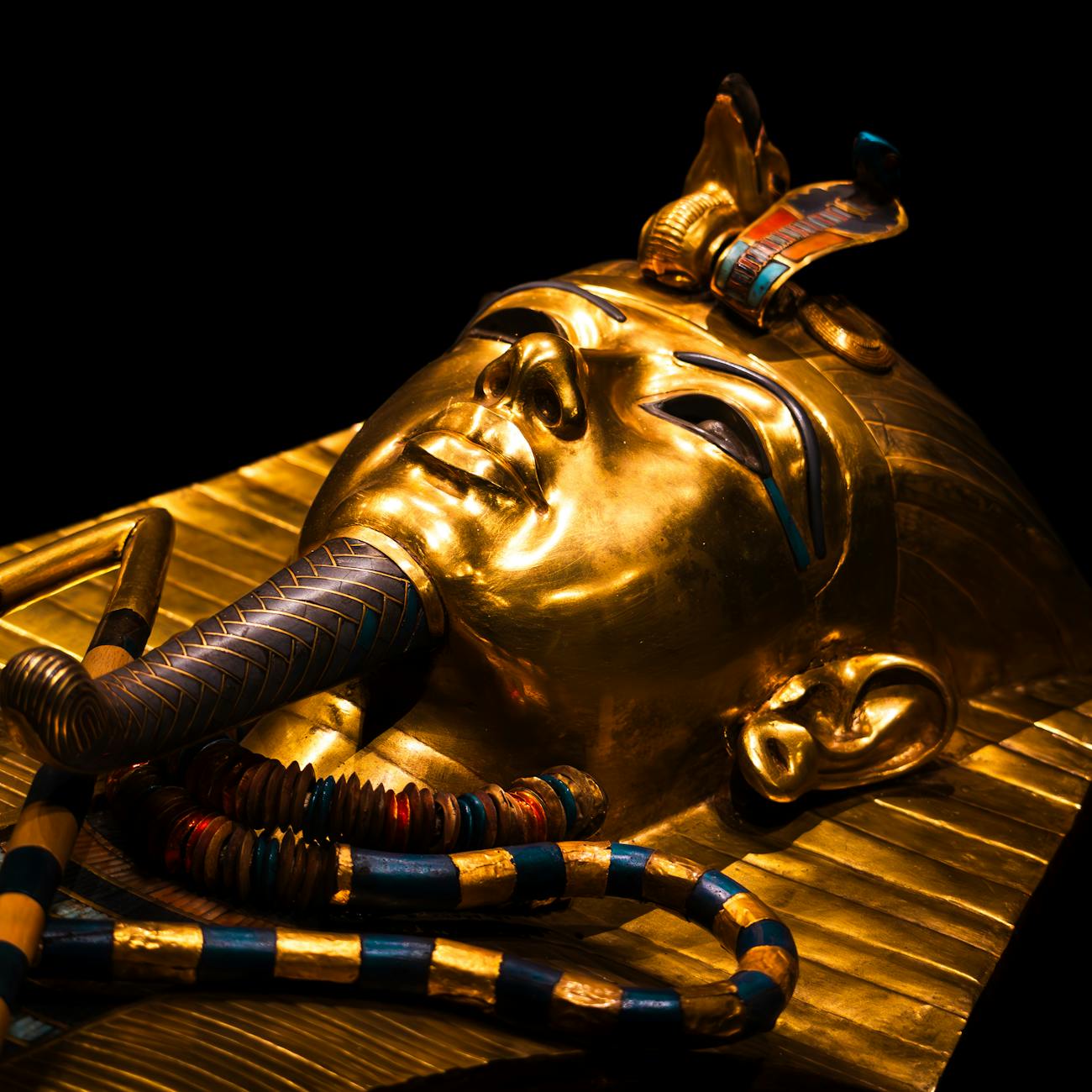
Perhaps the most famous example comes from King Tutankhamun’s tomb. Archaeologists discovered extraordinary jewelry pieces designed to safeguard the young pharaoh forever.
If you could explore these ancient tombs, you would see how seriously Egyptians viewed spiritual protection.
Status and Protection Worked Together
Jewelry also communicated wealth and social standing. The more elaborate the piece, the higher a person’s status often appeared.
However, status and protection were closely connected. Powerful individuals believed they required stronger spiritual defenses. As a result, rulers and nobles often wore large quantities of symbolic jewelry.
Pharaohs especially relied on protective ornaments. Their crowns, collars, bracelets, and rings carried religious meaning. These items reinforced both authority and divine protection.
You could say that jewelry helped rulers display power while guarding against unseen threats.
Why Egyptian Jewelry Still Fascinates Us
Thousands of years later, Egyptian jewelry continues to inspire people around the world. Its combination of beauty, symbolism, and history remains captivating.
Many modern jewelry designs still feature ancient Egyptian symbols. The Eye of Horus, scarab beetle, and Ankh remain popular choices today.
People may not believe in magical protection exactly as ancient Egyptians did. Yet many still wear jewelry that holds personal meaning. A favorite necklace or ring can provide comfort and confidence.
In this way, the ancient tradition lives on.
Final Thoughts
Ancient Egyptians viewed jewelry as far more than decoration. They believed it served as spiritual armor against danger, illness, and negative forces. Through protective symbols, sacred materials, and meaningful designs, jewelry became a powerful tool for everyday life.
If you look closely at ancient Egyptian jewelry, you discover more than beautiful craftsmanship. You uncover a fascinating belief system where faith and fashion worked together.
The next time you wear a meaningful piece of jewelry, remember that people thousands of years ago did something very similar. They trusted their jewelry to offer protection, confidence, and a connection to something greater than themselves.
Leave a Reply